Tower Rush
Tower Rush is a fast-paced game from Galaxsys where the player builds a tower floor by floor. There is no plane, rocket or character flying across the screen. Instead, each successful floor pushes the tower higher and changes the current odds. The round continues until the player cashes out or the tower collapses. This gives the Tower Rush game a simple setup: build higher, watch the value grow and decide when to stop. The game was released in 2024. It also includes three special floors: Frozen Floor, Temple Floor and Triple Build. These features add extra events during the round and make the Tower Rush online game different from many basic crash titles.
Tower Rush is part of the Fast Games and Turbo Games catalogue from Galaxsys. It does not use reels, paylines or slot symbols. The main action takes place around the tower and the current odds.
|
Parameter |
Details |
|
Developer |
Galaxsys |
|
Game type |
Fast/Turbo crash-style game |
|
Release date |
28 February 2024 |
|
RTP |
96.2%–97.6% |
|
Main mechanic |
Build floors and increase the current value |
|
Bonus floors |
Frozen Floor, Temple Floor, Triple Build |
|
Demo |
Available on mobile and desktop |
|
Devices |
Smartphone, tablet and desktop |
|
Fairness |
RNG and Provable Fairness |
A Tower Rush casino page usually gives access to the same Galaxsys game through a third-party platform. The title itself is not a classic slot. There are no reels or paylines. The main choice is simple: continue building or cash out. The taller the tower gets, the more attention the next step requires. However, previous floors do not show what will happen next.
Each round follows the same basic pattern. The player chooses a stake, starts building and then decides how long to stay in the round. A normal round has four main stages:
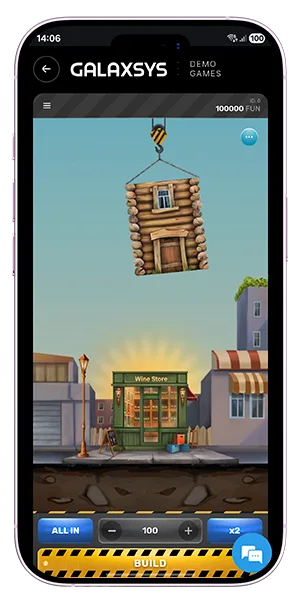
The player first selects a stake and starts the round. The first floors are then added to the tower. After every successful step, the current value changes on the screen. There are no symbol combinations or paylines to follow. The player mainly watches the tower, the current odds and the cashout option. This makes the Tower Rush game easy to understand even for someone who has not played this type of game before.
After each successful floor, the player can continue building or cash out. If the next floor is completed, the tower gets higher and the current value changes again. If the tower collapses before cashout, the unsecured result is lost. This is the main risk in the Tower Rush game. Continuing can increase the current value, but every extra step keeps the round open.
The player controls the stake, the decision to continue and the moment of cashout. It is also possible to set a personal budget and decide how long a session should last. The player does not control the RNG or the moment when the tower collapses. Previous rounds also do not make the next result easier to predict.
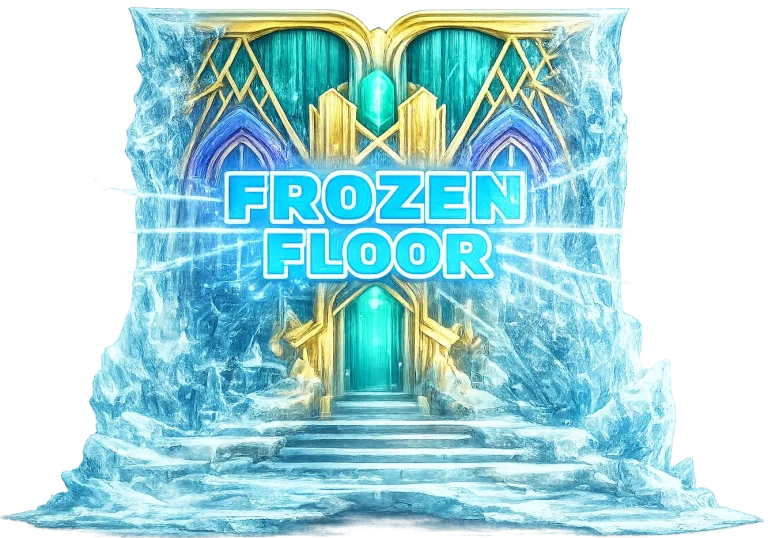
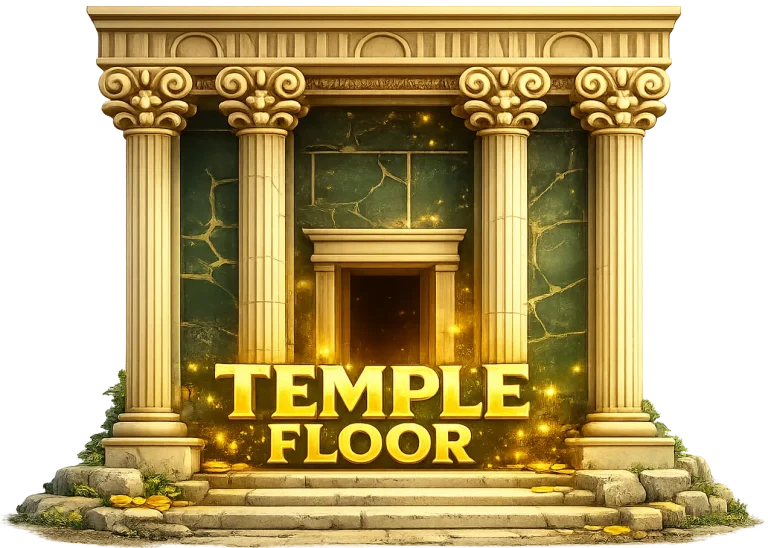
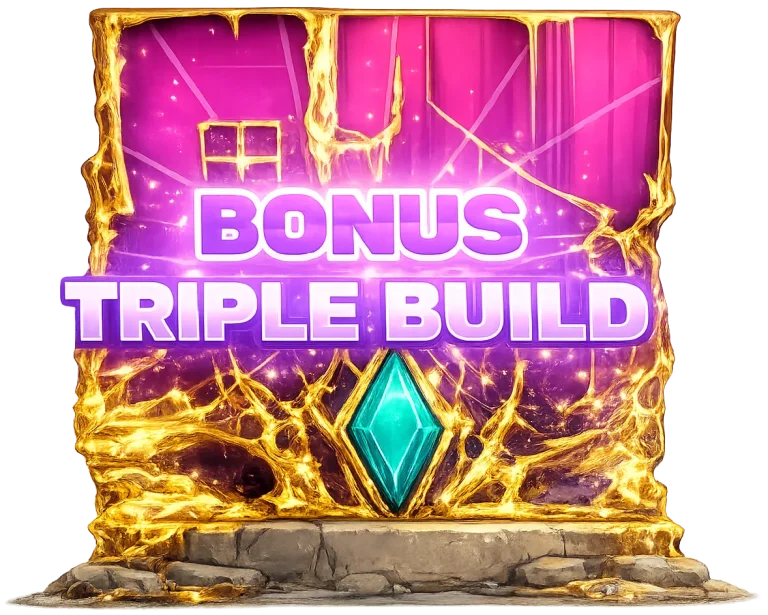
The game has three special floors: Frozen Floor, Temple Floor and Triple Build. They appear during the building process and change the normal flow of the round.
Frozen Floor — can lock the value already reached in the round. If the tower later collapses, the value saved by the Frozen Floor may remain protected under the rules shown in the game. It does not guarantee a win. It only affects that particular round.
Temple Floor — starts a separate bonus event instead of a normal building step. In versions where this feature uses a wheel, the wheel contains several possible multiplier results. It stops automatically and the result is added to the round. Some versions may also include Frozen Floor as one of the possible results. The exact values are shown inside the game.
Triple Build — adds three floors in one bonus event instead of moving up one floor at a time. The tower grows faster, and the current value can change more quickly during this part of the round. The feature is easy to notice because the pace of construction changes immediately. Frozen Floor, Temple Floor and Triple Build make the round more varied, but they do not make the next result predictable.
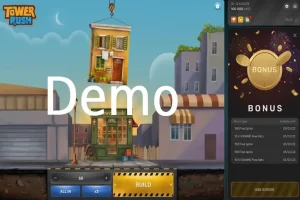
Tower Rush demo mode lets players test the game without using a real-money balance. Galaxsys provides demo access on both mobile and desktop devices. Other platforms may also offer a free version. The demo uses virtual credits. It shows how the tower grows, where the current odds appear, how cashout works and when the special floors can appear. The demo is useful for learning the controls before using the full version of the game.
It also helps new players understand the pace. Tower Rush game can move quickly, so knowing where the main buttons are makes the interface easier to use. Demo results do not predict future rounds. A successful run with virtual credits does not mean that the same sequence will appear again. The demo is therefore useful for practice, but not for finding a guaranteed pattern.
The game can be played on mobile devices without always installing a separate app. Galaxsys provides a mobile version through the web. Some gaming platforms also include it inside their own Android or iOS apps. This means a Tower Rush app can refer either to mobile access to the game or to an operator app that includes the title in its catalogue.
The game works on smartphones through supported mobile websites. Some third-party platforms also offer it inside their own apps. A file with the game name is not automatically an official Galaxsys application. The developer and source should be checked before installing anything. The game name alone is not enough to confirm that an APK belongs to Galaxsys.
A separate Tower Rush app download is not needed for browser play. The game and its demo can run through supported mobile and desktop browsers. If a platform has its own app, the game may be available inside it. This is different from a dedicated APK. Unknown files using the same name should not be treated as official without checking the source.
Tower Rush game works on smartphones, tablets and desktop devices. The mobile layout keeps the main parts of the game in view: the tower, the current value and the main controls. There are no large sets of reels or dozens of small symbols, so the game fits a smaller screen well.
The basic gameplay stays the same on mobile. The player starts the round, follows the tower and decides when to stop. Tower Rush online game access through a mobile browser also means that an extra app is not always required.
Tower Rush game has an RTP of 96.2%–97.6%. The exact RTP can depend on the version used by the platform.
RTP means Return to Player. It is a long-term theoretical percentage based on a large number of rounds. An RTP of 96.2%–97.6% does not mean that every player gets this percentage back. It also does not mean that 96 out of 100 rounds will win. A short session can finish far above or below the RTP figure. The number only describes the game over a long period.
The game uses an RNG, or Random Number Generator. This means the result of each round is random. Galaxsys also lists Provable Fairness as one of the game features. Previous results do not control the next round. A long run of low results does not mean a high one must come next. The same works in the opposite direction. A successful round does not make the next one safer.
There is no betting strategy that changes the RTP or removes the random part of the game. The player can only control decisions such as stake size, cashout timing and session limits.
The stake decides how much is used in one round. A personal session limit can also help control how much money is used in total. These settings change the amount at risk. They do not change the RNG or improve the RTP.
The same applies to a stop limit. Ending the session after reaching a set amount does not change the game maths. It simply stops further play. Increasing stakes after a loss can make the balance fall faster if the next rounds also lose.
Martingale, Fibonacci and similar systems change the stake after a win or loss. They do not change the result of the next Tower Rush casino round. For example, doubling the stake after a collapse does not make the next tower more likely to stay standing. Each new round starts with the same random process. Visual patterns also do not change this. Several similar results in a row do not create a reliable signal for the next round.
The game uses a similar risk-and-cashout idea to Aviator, JetX and Spaceman, but it looks very different.
|
Game |
Main Visual Concept |
Core Idea |
Distinctive Element |
|
Tower Rush |
Building a tower |
Continue or cash out |
Three special floors |
|
Aviator |
Aircraft flight |
Growing value and cashout |
Simple flight format |
|
JetX |
Jet/arcade theme |
Growing value and exit decision |
Fast arcade style |
|
Spaceman |
Character in flight |
Crash-style risk and cashout |
Character-based design |
In Aviator or JetX, the main action is connected to a moving object and a rising value. Tower Rush game turns the same type of decision into tower construction. Every new floor feels like a separate step. Frozen Floor, Temple Floor and Triple Build also break up the normal building sequence. It is therefore not simply another version of Aviator. It uses a similar basic idea but presents it in a different way.
The title is made by Galaxsys and can appear on gaming platforms that use the provider’s catalogue. Availability depends on the platform and region. Tower Rush game 1xbet, where available, is the Galaxsys game hosted inside the 1xBet platform. It is not a separate title made by 1xBet. The same applies to casino pages that host the game on other sites. The platform gives access to the game, while Galaxsys remains the developer. The provider name and in-game information can be checked before starting the game.
Tower Rush game has a simple format with a few features that make it different from basic crash games.
Pros:
Cons:
Galaxsys does not set a fixed tower height. The number of possible floors is described as limitless. The tower can keep growing while each new floor is placed successfully and the round remains active.
The odds are multiplied rather than simply added together. Each successful new floor changes the cumulative value of the tower. Cashout then uses this total value together with the original stake.
Galaxsys does not list one fixed maximum multiplier on the current game page. Instead, the developer states that the possible number of floors is limitless. If a platform shows a specific maximum multiplier or win cap, that value should be checked in the rules of that version.
Galaxsys does not publish one universal minimum stake for the game. Bet limits can be set by the platform where the game is available. The current minimum and maximum stake are normally shown inside the game before the round starts.
Galaxsys does not give the game a fixed low, medium or high volatility rating on the current page. The main mathematical figure published by the developer is an RTP of 96.2%–97.6%.
The game does not use traditional slot reels, so standard Free Spins are not one of its main features. Galaxsys instead supports FreeBet and FreeAmount tools for this title. Their availability and terms depend on the platform.
The current Galaxsys page lists the RTP at 96.2%–97.6%. Older Galaxsys materials have shown slightly different ranges, so older pages may still display other figures. The RTP shown inside the active game version is the most relevant value to check